
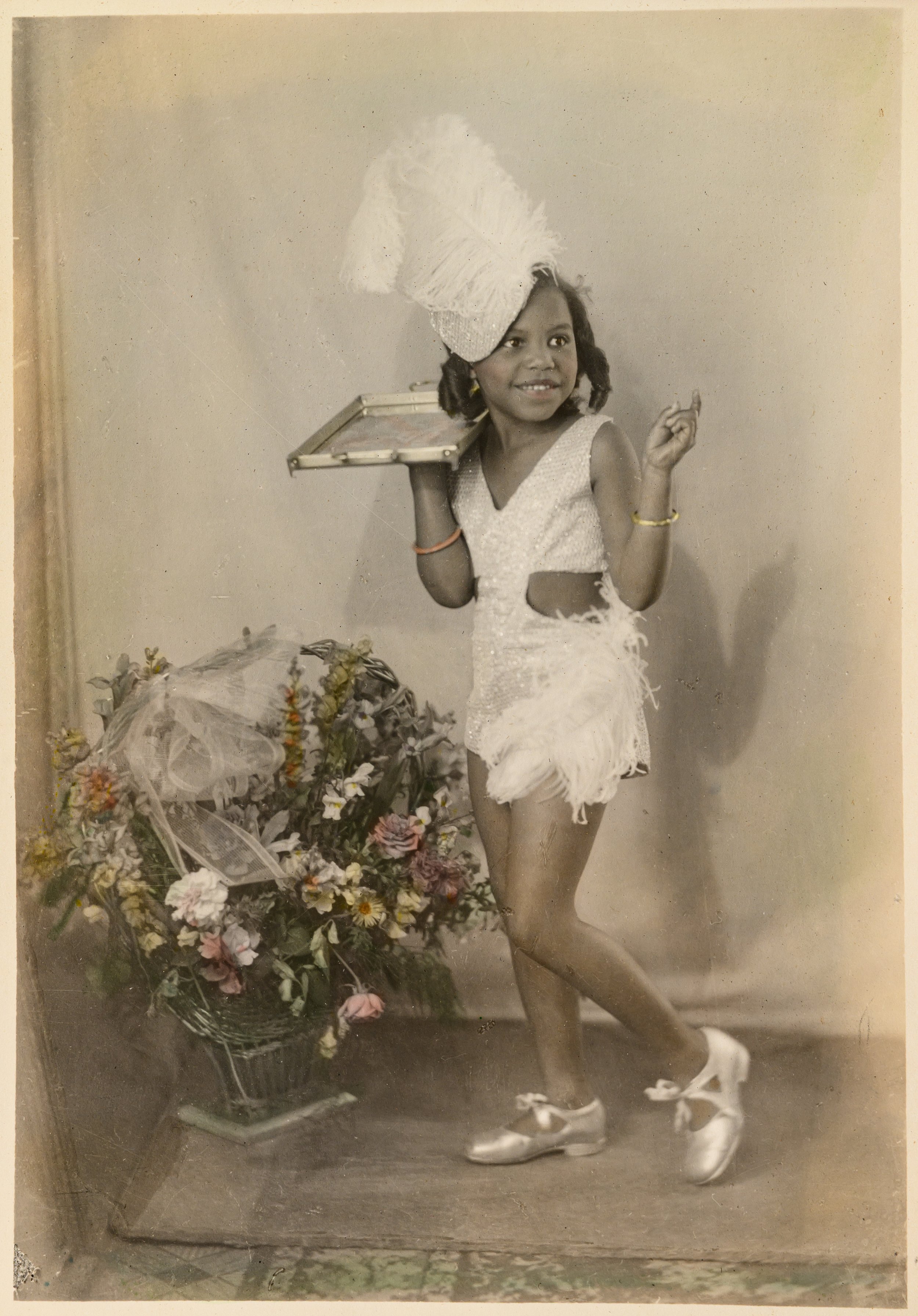
The Cousins Apartment:
Exploring 20th Century New England Black History
On Friday, April 24, 2026, Strawbery Banke will unveil the Cousins Apartment within the newly renamed Penhallow-Cousins House, a major reinterpretation project exploring Black family life in New England during the 1930s and 1940s.
Opening as part of the Museum’s America 250 initiatives, the installation highlights everyday life, home, and community in Portsmouth’s historic Puddle Dock neighborhood. Through the experiences of one family, visitors encounter broader national stories of migration, opportunity, and discrimination that shaped Black life in New England.
The exhibition also places the Cousins family’s story within the wider context of the Great Migration, when Black families moved north in search of opportunity while building new communities across the United States.
The Cousins Apartment reflects Strawbery Banke’s commitment to presenting New England Black history as an essential part of American history.
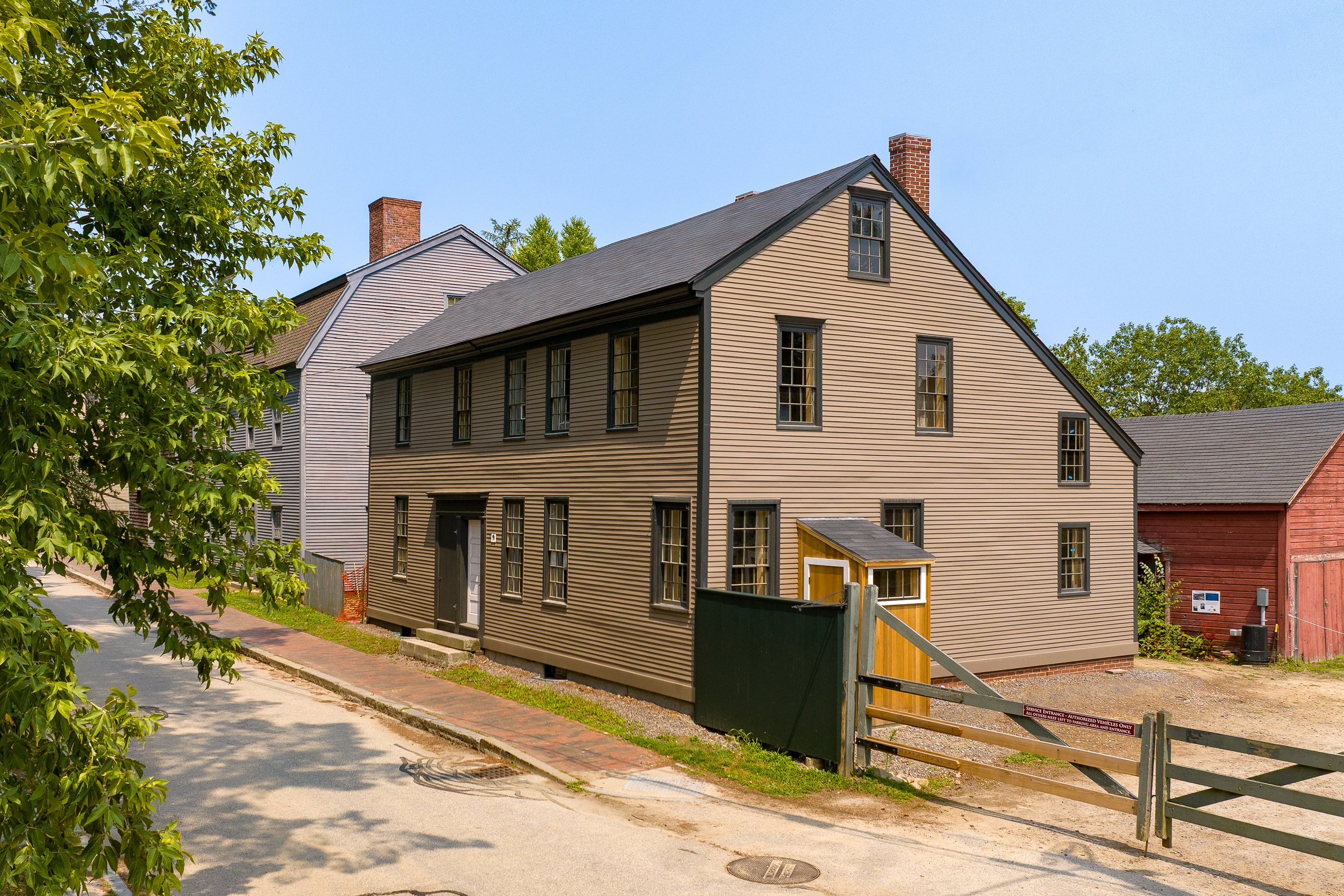
A southwest view of the restored Penhallow-Cousins House from Washington Street, August 2025.
Photo courtesy David J. Murray/ClearEyePhoto.com
The Exhibit
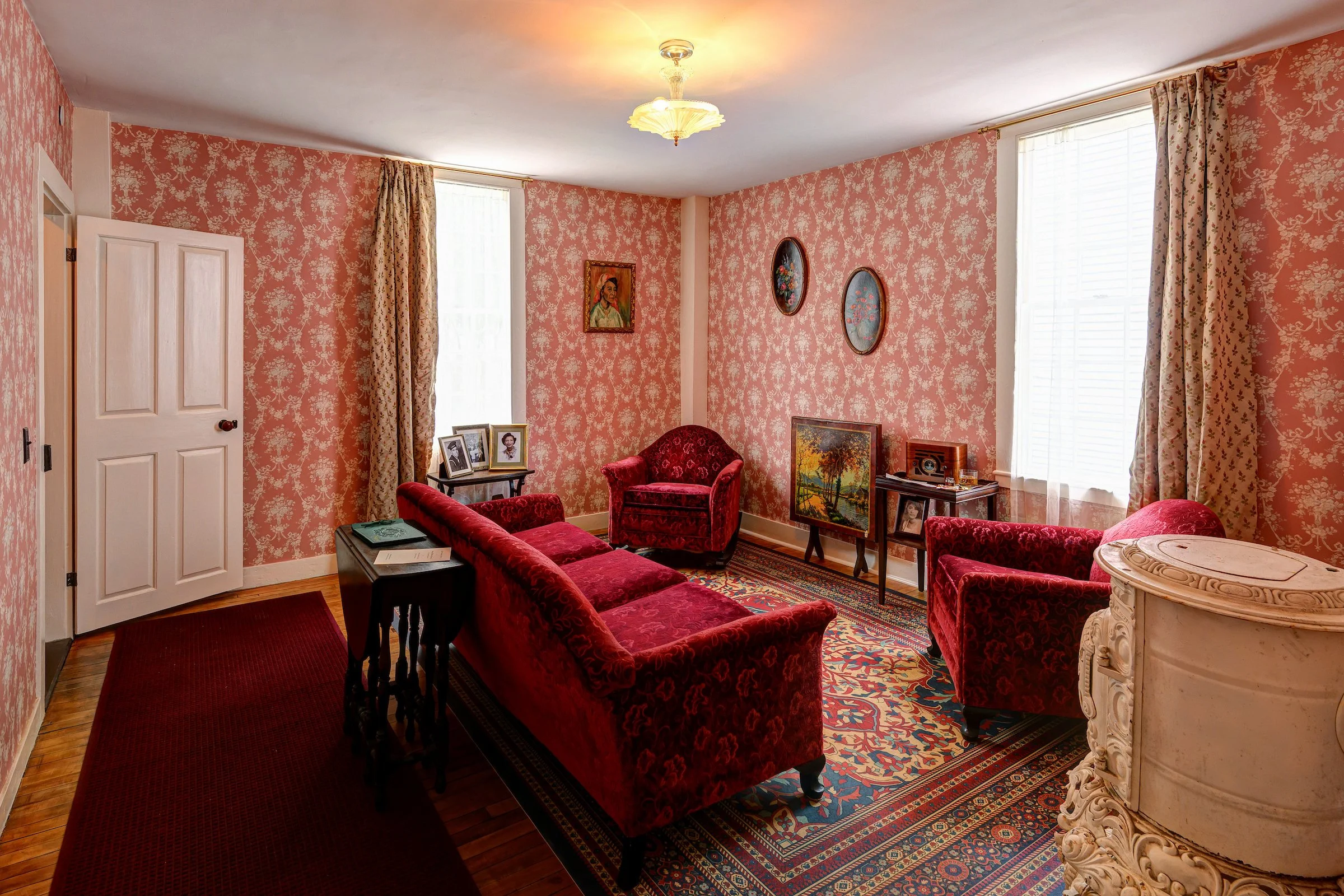
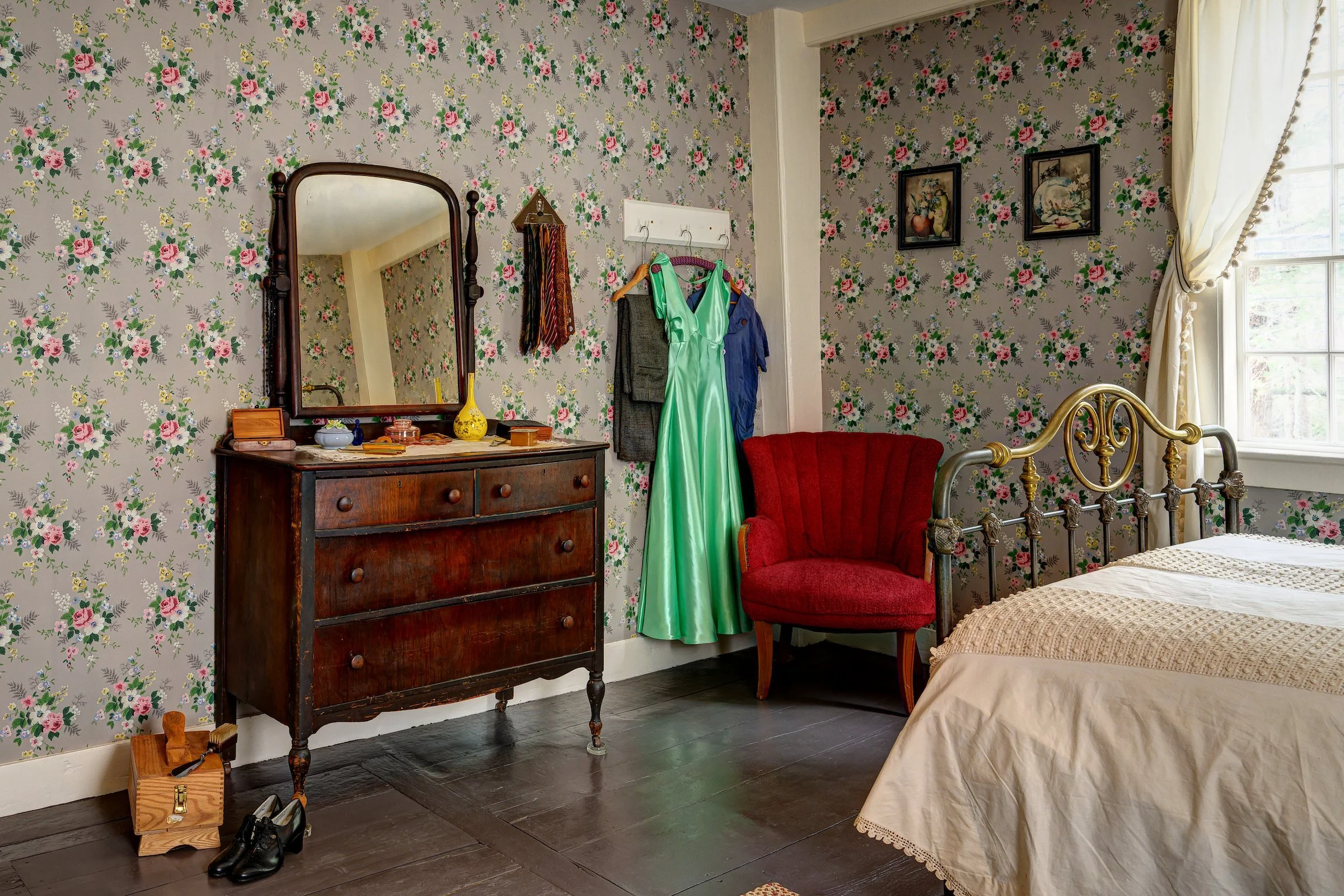
Visitors will step inside a restored apartment interpreting the home of the Cousins family, who lived in the house from 1937 to 1943.
Drawing on oral histories, archaeological artifacts, and careful research, the installation recreates the spaces where family life unfolded, where meals were shared, music played, and neighbors gathered.
Visitors will encounter:
A restored domestic interior interpreting Black family life in Puddle Dock during the 1930s and 1940s
Interpretation grounded in oral history, including recollections from Jeri Cousins Palmer, who lived there as a child
Family artifacts and period furnishings recreating the Cousins household
Context about the multiracial, working-class waterfront neighborhood where the family lived
Rather than focusing solely on hardship, the exhibition highlights family life, resilience, and community connections.
The Cousins Family
Kenneth Cousins and Eleanor Richardson Cousins lived in the house with their daughter Geraldine “Jeri” Cousins Palmer, whose memories inform the interpretation of the space. Palmer later became a community leader and founding member of the Seacoast African American Cultural Center.
Through oral histories and family belongings, the exhibition explores family relationships, daily routines, faith, education, and work.
By focusing on the details of everyday life, the installation invites visitors to consider how opportunity and belonging were experienced—and sometimes limited—in the twentieth century.
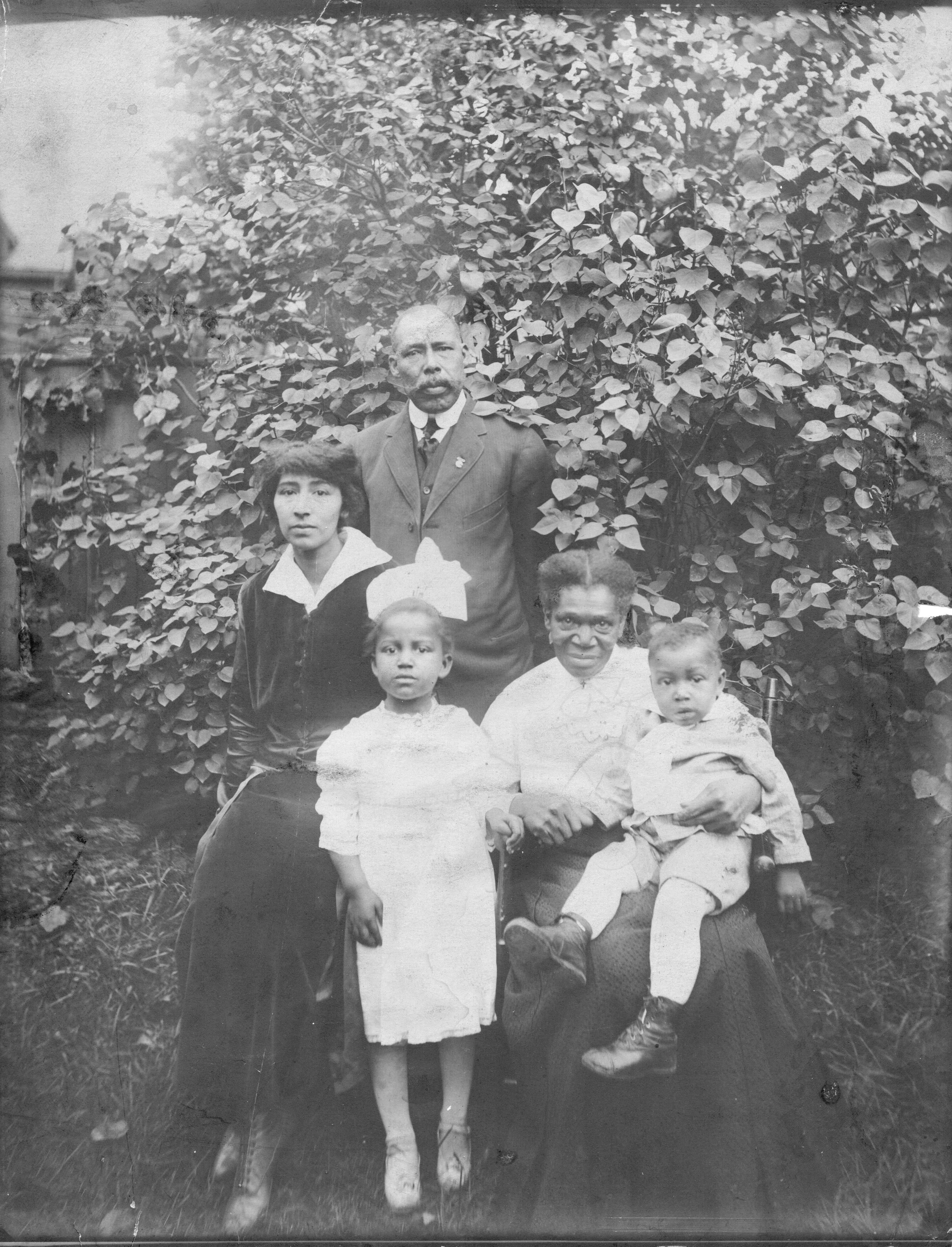
A family photo of Jeri’s great-grandfather William DeLain (standing in the center), and from left to right, her grandmother Willietta, her mother Eleanor, her great-great-grandmother Elizabeth, and her uncle Kenneth, taken in 1916. Photo courtesy of Judith Baumann.
Voices & Partnerships
The Cousins Apartment is the result of extensive research and collaboration. The project draws on oral histories, family belongings, archaeological and archival research, as well as partnerships with the Seacoast African American Cultural Center and the Black Heritage Trail of New Hampshire. These collaborations ensure the exhibition centers lived experience and community knowledge.
The Historic House
The exhibition is located within the Penhallow-Cousins House, originally built circa 1750 for Samuel Penhallow. In recognition of both the original occupant and the Black family whose story is interpreted within its walls, the house was officially renamed in 2025.
A major preservation effort has stabilized the building and prepared it to house this new interpretation, ensuring the structure and the stories it holds can be shared with future generations.
Because of its location in Portsmouth’s historic waterfront neighborhood, the structure is also vulnerable to sea-level rise and groundwater intrusion. As part of the rehabilitation project, Strawbery Banke undertook a major preservation effort to protect the building for the future.
The house was carefully lifted approximately ten feet to construct a new foundation designed to address rising groundwater levels. A wet-proof basement and drainage system were installed to allow water to move safely through the site while protecting the historic structure above.
These climate-adaptation measures ensure the building and the stories it contains can continue to be shared with visitors for generations to come.

Penhallow-Cousins House. Library of Congress, Prints & Photographs Division, HABS.
Looking Ahead
The Cousins Apartment offers a model for future interpretation at Strawbery Banke Museum, demonstrating how architecture, oral history, archaeological research, and community collaboration can deepen understanding of the past.
The project also informs future restoration and interpretation across the Museum campus, including upcoming work on the Yeaton-Welch House.
Support the Work
Funding for the Penhallow-Cousins House restoration and interpretation was provided in part by grants from the National Endowment for the Humanities and the New Hampshire Land and Community Heritage Investment Program, along with support from foundations and private donors.
Additional leadership funding was contributed by the Cogswell Benevolent Trust, the Samuel P. Hunt Foundation, an anonymous foundation, the McIninch Foundation, the Davis Family Foundation, the Decorative Arts Trust Dean F. Failey Grant, Novocure, The Roger R. and Theresa S. Thompson Endowment Fund, The Felicia Fund, and many generous donors to Building Community: The Campaign for Strawbery Banke.
The Strawbery Banke Fund (Annual Fund) helps the Museum preserve historic buildings, support staff, and create exhibitions like the Cousins Apartment.
Make a gift today to help bring these stories to life.
In the Media:
Seacoast Online: NH grant to help Strawbery Banke create African-American history exhibit (Nov. 20, 2020)
Union Leader: Penhallow House at Strawbery Banke to be restored (Nov. 29, 2020)
WMUR: Historic house in Portsmouth being lifted 9 feet for restoration project (Oct. 11, 2023)
NHPR: A Portsmouth museum gives a 1750 house a new lease on life as climate change poses a threat (Oct. 19, 2023)
New Hampshire Magazine: Strawbery Banke Makes an Important Black History Discovery at Penhallow House (Feb. 20, 2024)
Portsmouth Herald: 'A unique story': Great Depression-era Black family's life revived at Strawbery Banke (Feb. 20, 2025)
Seacoast Online: Strawbery Banke Museum announces opening date and renaming of historic building (Aug. 20, 2025)
Union Leader: Father and son team up to bring history to life at Strawbery Banke Museum (Oct. 20, 2025)